
Planning & Architecture
When designing a walk-in freezer room, careful planning and architecture are crucial for efficiency and safety. Key considerations include insulation, airflow management, and temperature control to maintain optimal conditions. The layout should facilitate easy access and movement of goods, ensuring compliance with health regulations. Energy-efficient systems can reduce operational costs while enhancing functionality. Proper drainage and materials resistant to corrosion and freezing enhance durability and hygiene.
Manufacturing
A walk-in freezer room is a large refrigerated space designed for the storage of perishable goods. Manufactured using insulated panels and advanced refrigeration systems, it maintains temperatures below freezing. Key features include easy access for loading and unloading, efficient energy use, and customizable layouts to fit various needs in restaurants, warehouses, and food distribution centers.
344
Hours of Work
March 2015
Construction Date
820ft
Surface Area
44.000$
Budget
Installation
The installation of a walk-in freezer room is a complex yet essential process that involves several key steps. First, a suitable location must be selected, ensuring the area meets the spatial and temperature requirements for the freezer. Next, foundation work is performed, which includes leveling the ground and waterproofing. After that, pre-fabricated insulated panels and refrigeration equipment are installed, ensuring proper insulation and sealing to maintain internal temperatures. During the installation, attention must be paid to the wiring of electrical systems and plumbing, as well as the correct setup of the refrigeration unit. Finally, a system test is conducted to ensure all equipment operates properly and meets the desired cooling performance. This entire process typically requires a professional team to ensure safety and efficiency.
Testing, Training and Delivery
Latest Projects
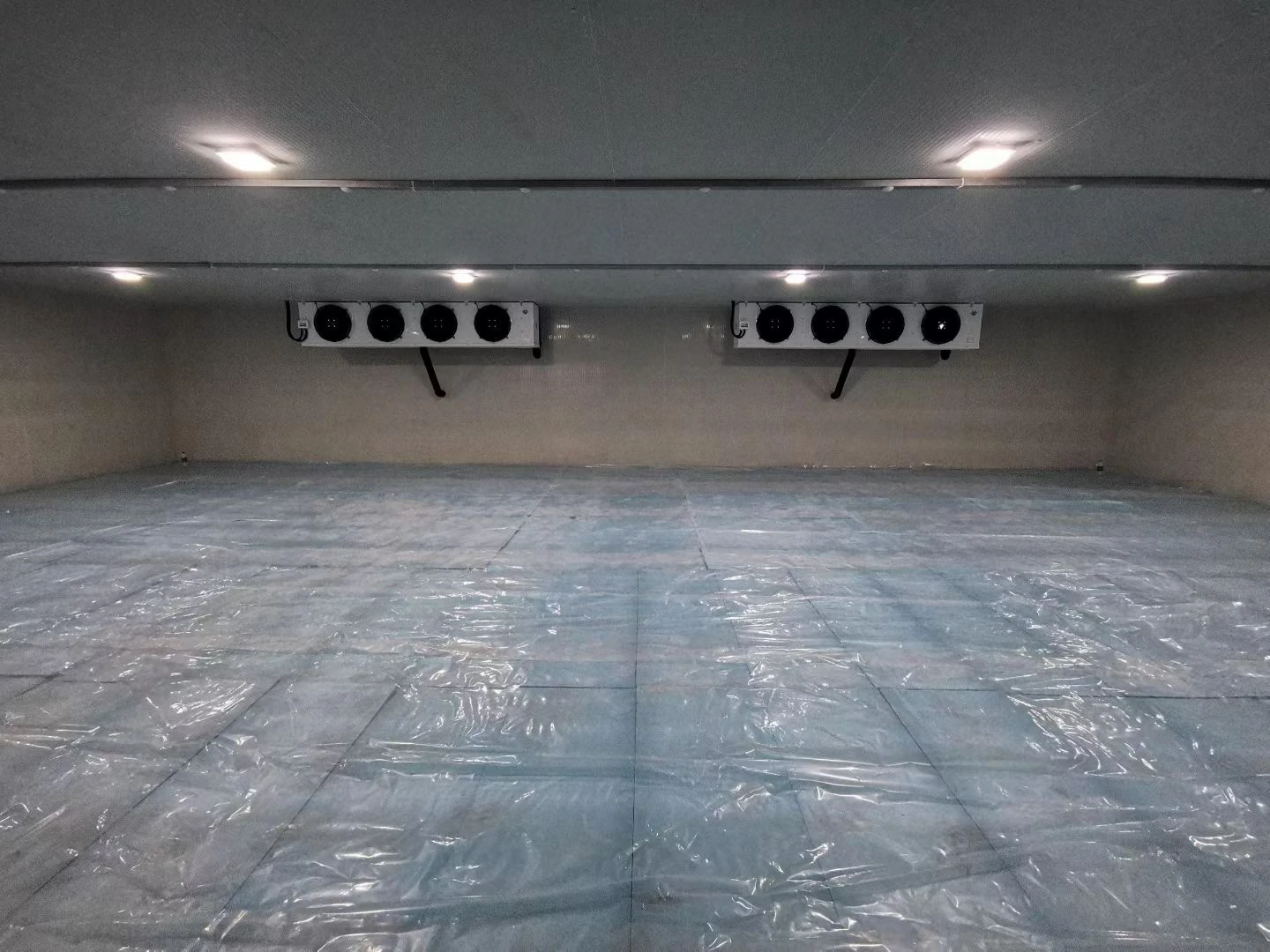 Walk in Cold Rooms30 10 月, 2015 - 5:09 下午
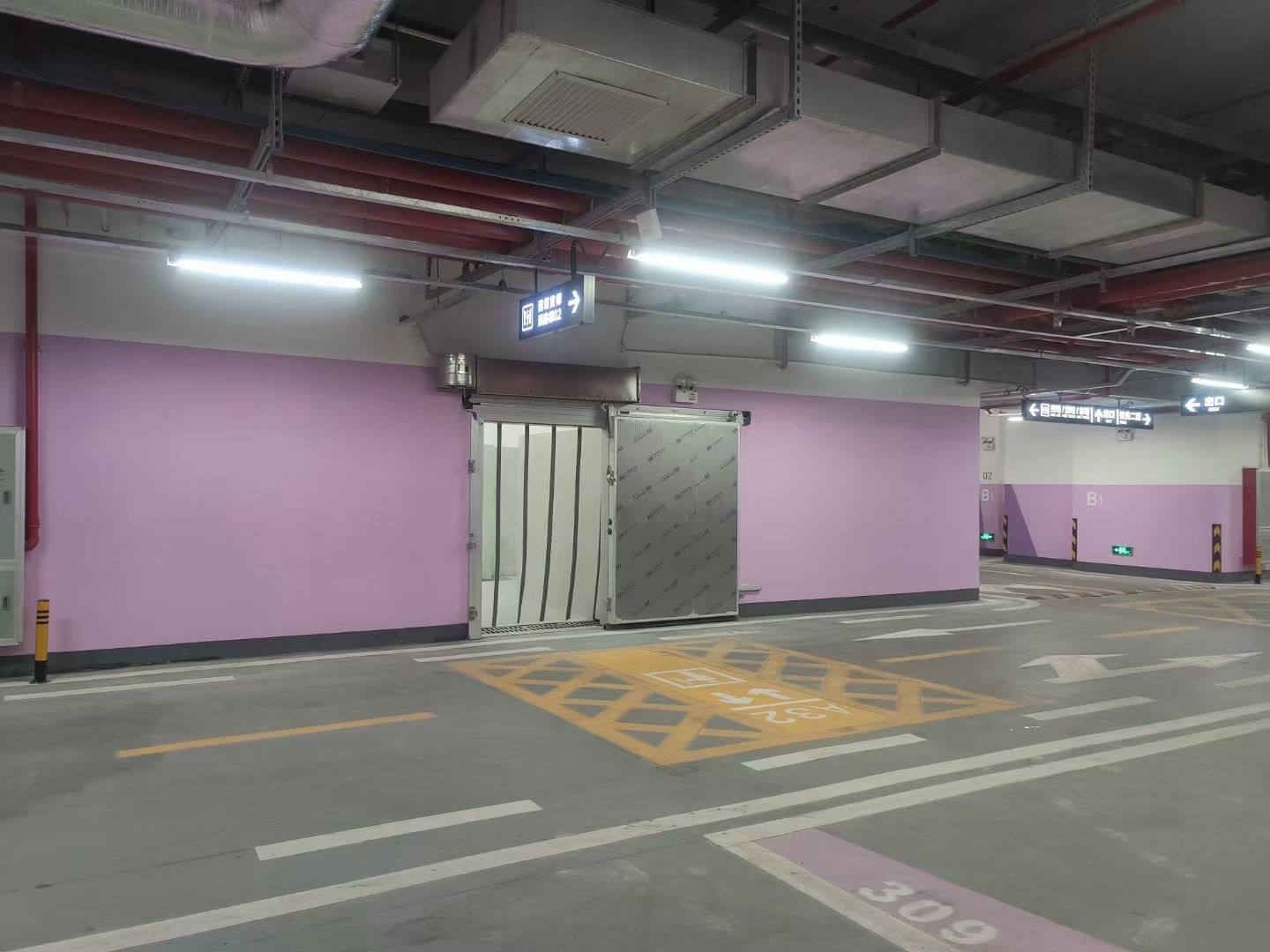 Walk in Freezer Room30 10 月, 2015 - 5:07 下午
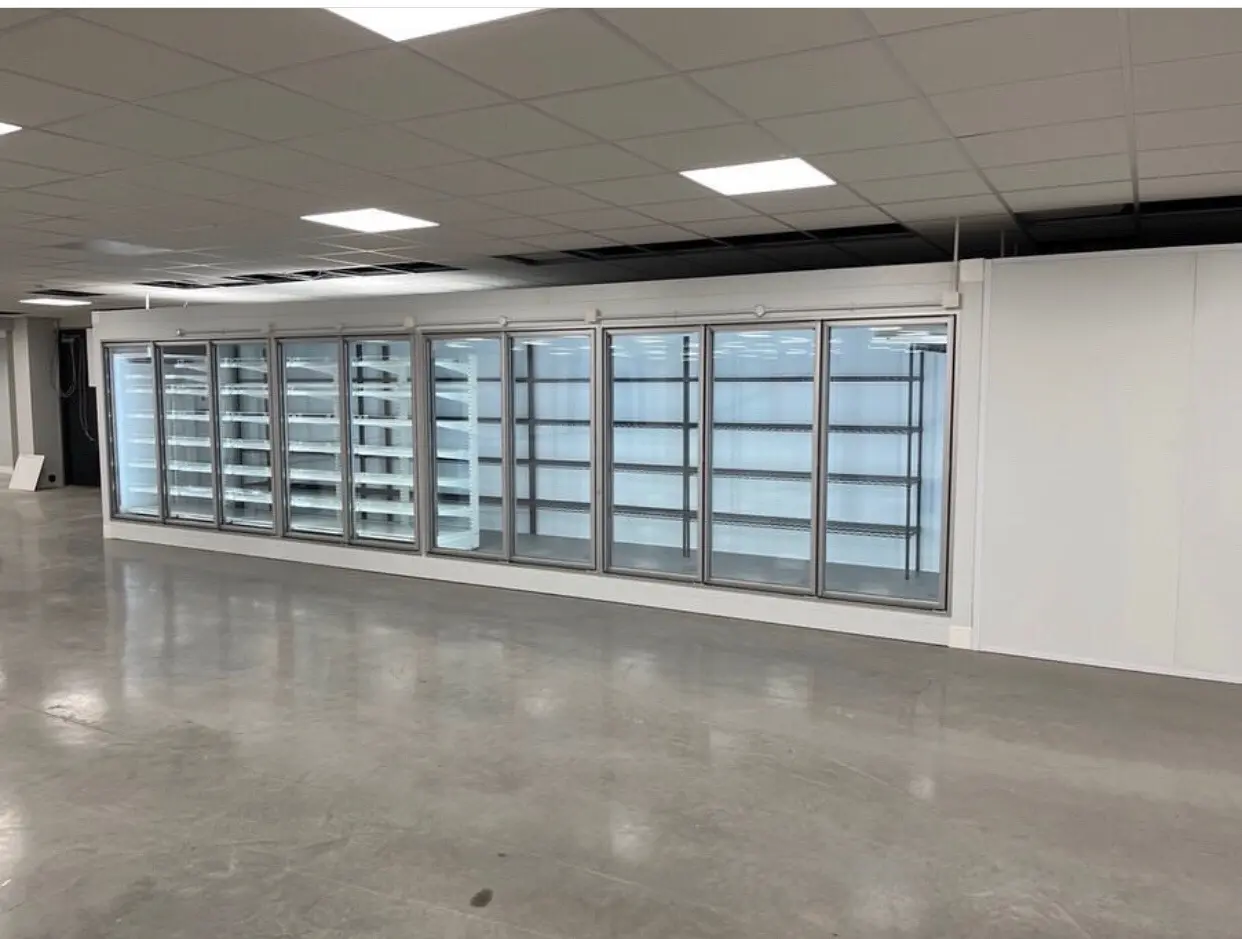 Walk in display Cooler & Freezer21 10 月, 2015 - 3:47 下午

