
Planning & Architecture
The planning and architecture of cold rooms are crucial for maintaining optimal temperature, humidity, and air circulation. Designers must optimize the layout to enhance energy efficiency while ensuring easy access. Choosing insulated materials and moisture-resistant coatings can significantly reduce energy consumption. Additionally, systematic cold chain management and regular maintenance are essential for food safety and quality.
Manufacturing
A cold storage facility is essential for preserving perishable goods. It typically includes insulated cold room panels (cold storage boards) that maintain low temperatures, high-efficiency compressor units for reliable cooling, and fans for effective air circulation. Together, these components ensure optimal storage conditions, prolonging the shelf life of products and reducing spoilage.
789
Hours of Work
Juli 2015
Construction Date
3820ft
Surface Area
1.800.000$
Budget
Installation
Cold storage installation involves setting up specialized facilities designed to maintain low temperatures for preserving perishable goods. This process includes selecting appropriate refrigeration systems, ensuring proper insulation, and adhering to safety regulations. Effective cold storage is crucial for industries like food, pharmaceuticals, and biotechnology, helping to extend product shelf life and maintain quality.
Testing, Training and Delivery
The testing, training, and delivery of cold rooms involve several key steps. First, equipment functionality and performance tests are conducted to ensure compliance with standards. Next, training is provided for operators, covering safe operation and maintenance practices. Finally, timely delivery ensures the cold rooms are in optimal condition, meeting customer needs before use.
Latest Projects
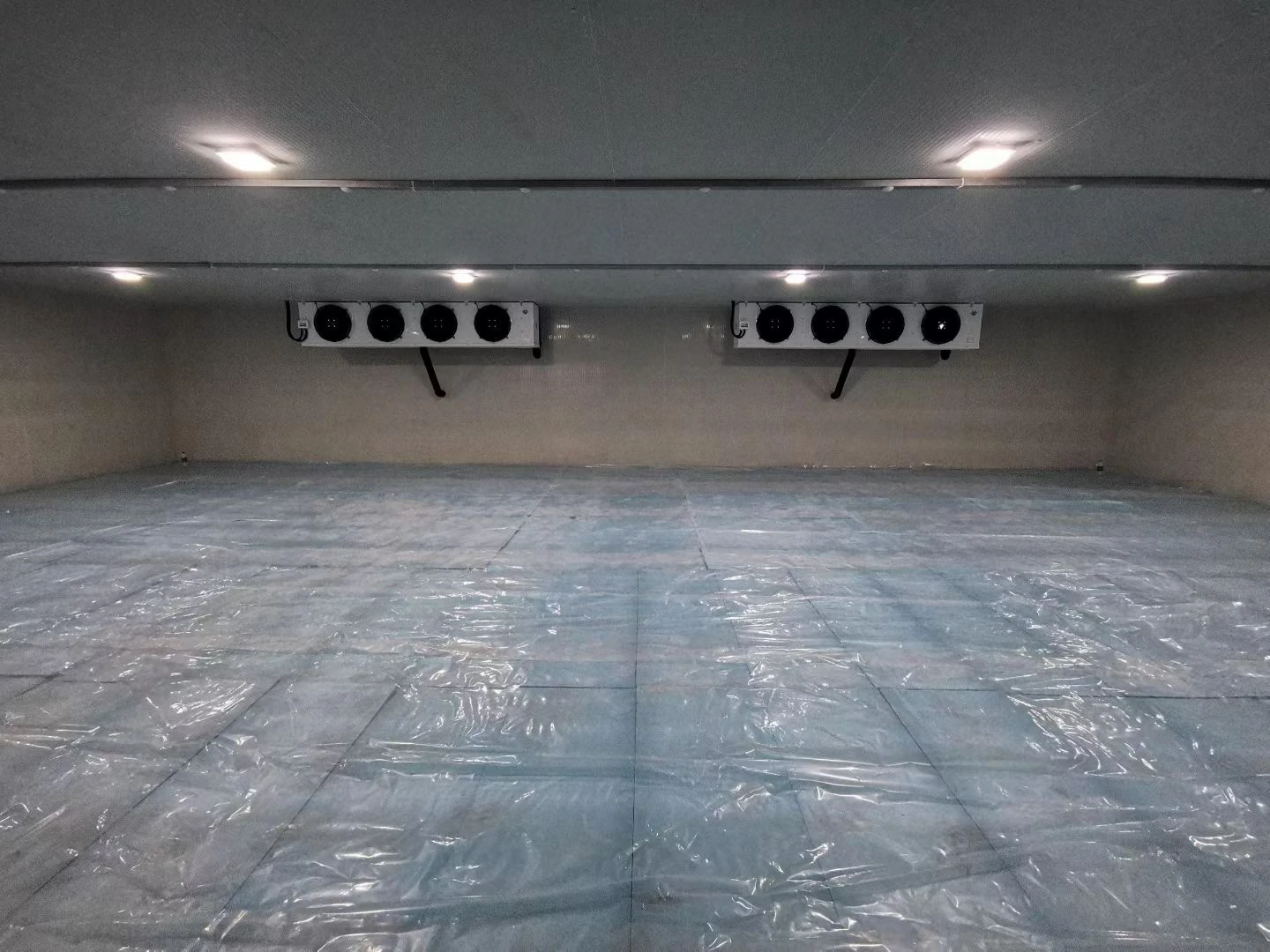 Walk in Cold Rooms30 10 月, 2015 - 5:09 下午
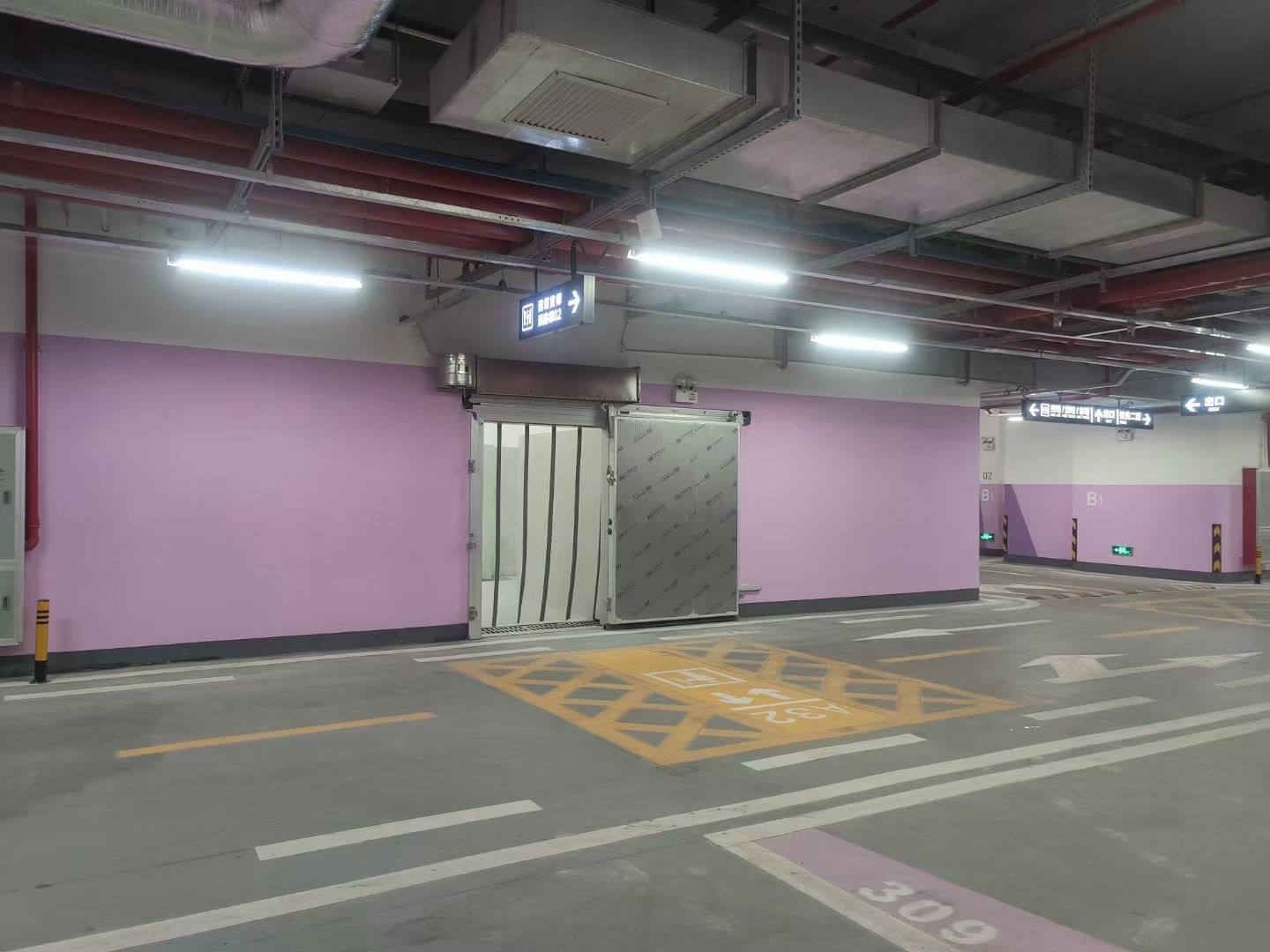 Walk in Freezer Room30 10 月, 2015 - 5:07 下午
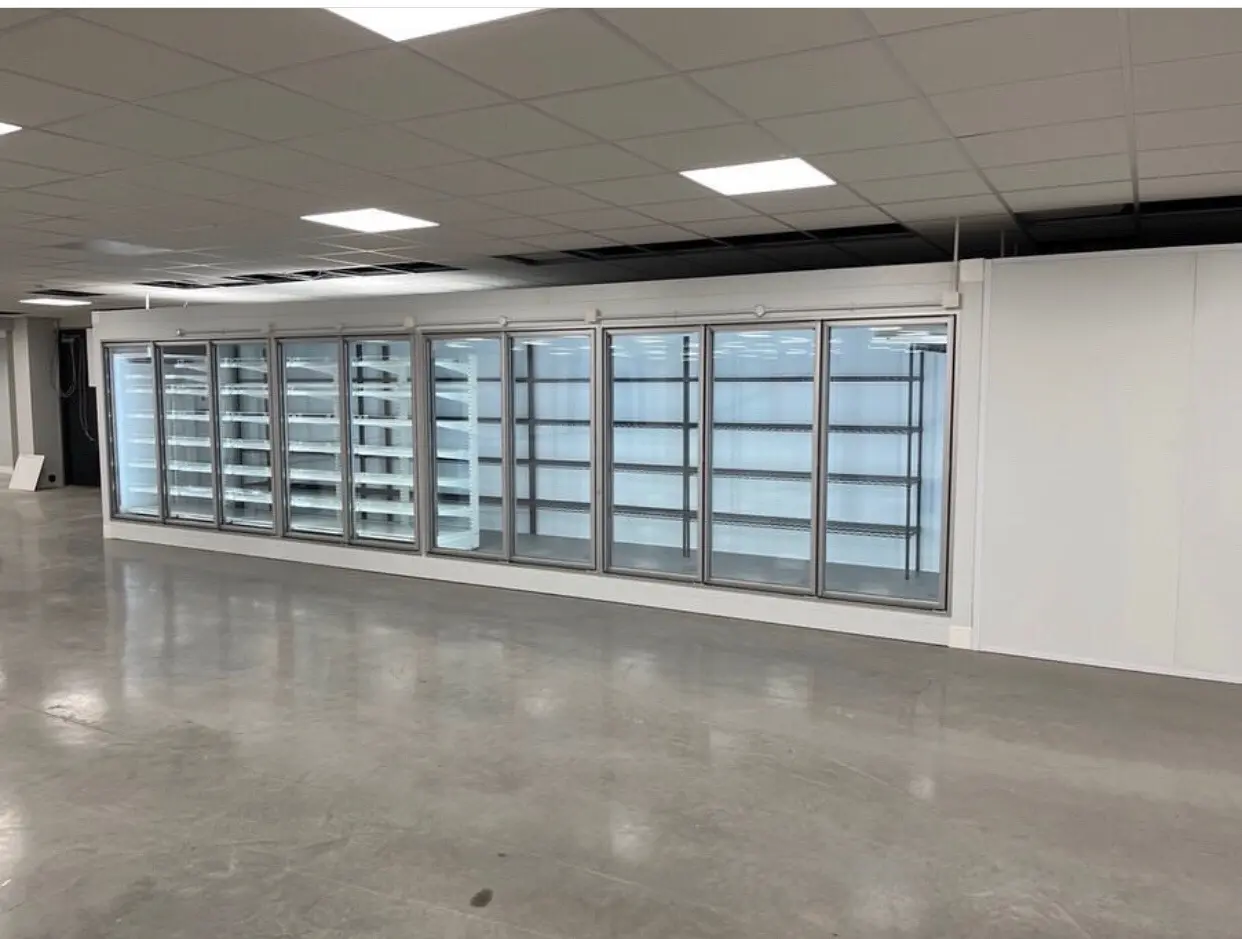 Walk in display Cooler & Freezer21 10 月, 2015 - 3:47 下午